
Screw Press Dewatering Machine Selection Focuses on Efficiency and Sludge Handling Requirements
Hangzhou, Zhejiang, China – October 21, 2026 – Choosing a Screw Press Dewatering machine is not a simple matter of comparing motor power or listed capacity. Real performance depends on sludge type, dry solids content, flow variation, polymer response, and daily operating discipline. A machine that performs well in a municipal plant may struggle with oily food-processing sludge. Small details matter. A sticky sludge can quickly expose a poor design.WasteWater Treatment specialist Dr. George Tchobanoglous is widely associated with the principle, “The design of a wastewater treatment plant must be based on the characteristics of the wastewater.” This idea is highly relevant to Screw Press Dewatering. The correct selection begins with representative sludge testing, not a supplier’s standard table. Ask for pilot results, cake dryness, filtrate clarity, wash-water demand, noise levels, and power consumption. Also inspect the screw flight, screen gap, compression zone, and access points. These parts determine whether maintenance feels manageable or becomes a weekly headache.Experience from operating plants often reveals uncomfortable gaps. Laboratory results may look excellent, yet performance can fall when sludge temperature changes or polymer quality varies. That is why reliable suppliers, such as Alfa Laval or Huber Technology, should explain their testing methods and operating limits clearly. Do not accept vague promises. Request references from facilities handling similar sludge.The “best” machine may not produce the driest cake. It may deliver stable results, simple cleaning, and predictable costs. That trade-off deserves careful thought. A rushed decision can leave an impressive machine underused, overwashed, or quietly wasting energy.
What Is a Screw Press Dewatering Machine?
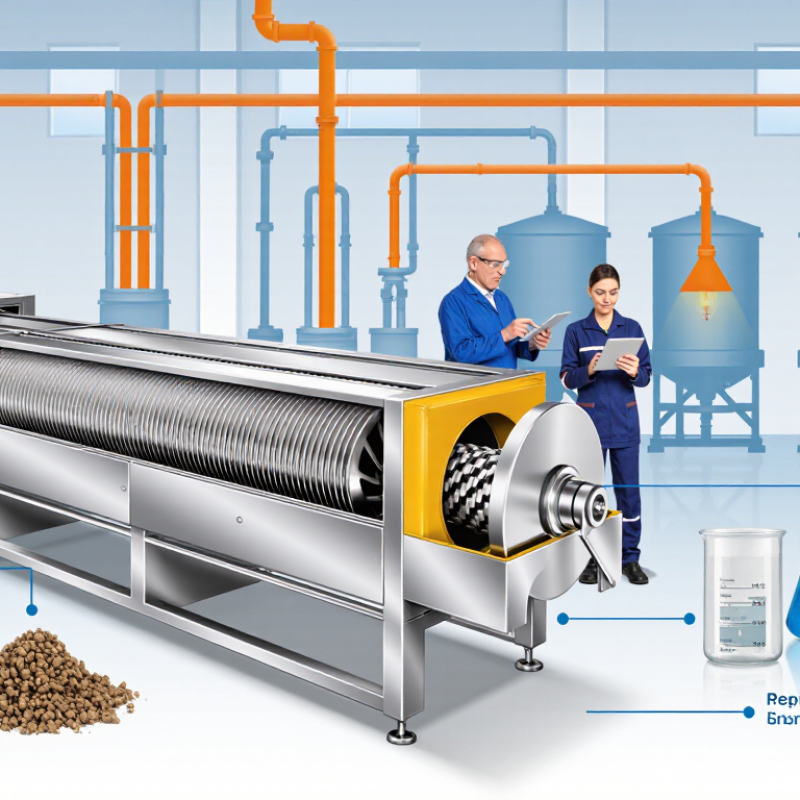
A Screw Press Dewatering machine separates water from sludge through slow mechanical compression. Sludge enters a rotating screw inside a perforated screen. As the screw advances, free water drains through the screen, while compacted solids move toward the outlet. A back-pressure cone controls the final compression. It is quieter than many high-speed systems and usually needs less wash water.The U.S. EPA’s biosolids technology guidance reports typical screw-press cake solids of about 15% to 30%, with solids capture often reaching 95% to 99%. Actual results depend on sludge type, polymer dosage, temperature, and operator settings. A Small Dewatering Screw Press may suit small wastewater plants, food-processing sites, or limited installation spaces. However, capacity should not be judged by motor size alone. Feed solids concentration matters.In field operation, a clear filtrate, stable cake, and low polymer consumption indicate balanced settings. Too much polymer can increase costs and create sticky cake. Too little may produce cloudy filtrate. Water Environment Federation guidance also stresses pilot testing because dewatering performance varies between sludges. That practical warning is easy to overlook. A screw press is not automatically the best choice; it must match daily flow, sludge characteristics, cleaning access, and the required cake dryness.
How to Choose a Screw Press Dewatering Machine? – What Is a Screw Press Dewatering Machine?
| Selection Dimension | What It Means | Typical Technical Data | How to Evaluate It | Recommended Choice Guidance |
|---|---|---|---|---|
| Operating Principle | A screw press dewatering machine uses a slowly rotating screw inside a cylindrical screen to convey and compress sludge while liquid drains through the screen openings. | Continuous operation; commonly operates at approximately 2–10 rpm, depending on the machine design and sludge characteristics. | Lower speed generally supports gentle treatment and lower energy use, while compression-zone design affects final cake dryness. | Choose a unit with adjustable screw speed and adjustable back-pressure control when feed conditions vary. |
| Suitable Feed Material | The machine is mainly used for municipal sludge, industrial wastewater sludge, food-processing sludge, and other pumpable slurries. | Usually suitable for feed solids of about 0.2–3% total suspended solids, with higher concentrations possible after testing or thickening. | Very sandy, highly abrasive, fibrous, or sticky materials may require special materials, pre-treatment, or a different dewatering technology. | Confirm the sludge type, particle size, oil content, fiber content, abrasiveness, and biological characteristics before selection. |
| Processing Capacity | Capacity is commonly expressed as dry solids throughput rather than only wet sludge flow. | Small to medium units may handle roughly 5–100 kg of dry solids per hour; larger systems can exceed this range. Actual flow depends strongly on feed concentration. | For example, 10 kg/h of dry solids at 1% feed concentration represents approximately 1,000 kg/h of wet sludge, excluding density effects. | Size the machine using the required dry solids load, daily operating hours, peak flow, and desired redundancy—not just the pump flow rate. |
| Cake Solids | Cake solids indicate how much water remains after dewatering and influence hauling and disposal costs. | Many applications produce approximately 15–30% total solids. The result may be lower or higher depending on sludge type and polymer conditioning. | Waste activated sludge often produces a wetter cake than primary or well-conditioned industrial sludge. | Require a performance test using representative sludge if a specific cake-solids target is necessary. |
| Liquid Separation | The separated liquid, called filtrate or centrate depending on the equipment type, drains through the screen and is normally returned for further treatment. | Screen openings are commonly in the fine range, often approximately 0.1–0.5 mm, but the exact opening depends on the design and application. | Smaller openings can improve solids capture but may increase clogging risk if cleaning and polymer conditioning are inadequate. | Compare filtrate clarity, total suspended solids, cleaning requirements, and the wastewater plant’s return-load capacity. |
| Polymer Requirement | Polymer conditioning helps flocculate fine sludge particles before they enter the dewatering zone. | Polymer dosage varies widely; a practical evaluation range is often about 1–10 kg of active polymer per tonne of dry solids. | Dosage depends on sludge chemistry, polymer type, mixing energy, concentration, and the required cake dryness. | Use jar testing and on-site trials to determine polymer type, concentration, dosage, and mixing conditions. |
| Energy Consumption | Slow screw rotation and the absence of a high-speed bowl generally allow relatively low operating energy demand. | Installed motor power is commonly from about 0.25 kW to 7.5 kW for many small and medium units; total system power also includes pumps, mixers, and polymer equipment. | Comparing only the main motor can underestimate the energy used by the complete dewatering system. | Request total specific energy consumption in kWh per tonne of dry solids, including auxiliary equipment. |
| Water Consumption | Water may be used for automatic screen washing and routine cleaning. | Many systems use intermittent wash cycles rather than continuous high-volume flushing; actual consumption depends on screen area, pressure, and operating schedule. | Water quality and pressure affect cleaning performance and screen fouling. | Check wash-water pressure, filtration requirements, drainage capacity, and the plant’s available water supply. |
| Noise and Vibration | The slow-speed mechanism normally produces less noise and vibration than high-speed centrifugal equipment. | Noise is often suitable for indoor wastewater facilities, but the actual level depends on motor, gearbox, structure, and installation. | Noise should be verified under operating conditions rather than estimated from motor power alone. | Ask for measured sound data, vibration limits, anchoring requirements, and enclosure options if the machine is installed near occupied areas. |
| Maintenance Requirements | Routine work generally includes screen inspection, spray-bar cleaning, polymer-system maintenance, gearbox checks, and wear-part inspection. | Maintenance intervals vary by sludge abrasiveness and operating hours; automatic cleaning can reduce manual intervention but does not eliminate inspections. | Wear may occur on the screw, screen, seals, bearings, and back-pressure components. | Prioritize easy access, replaceable wear parts, clear maintenance instructions, and local availability of standard components. |
| Corrosion Resistance | Wastewater environments may expose equipment to moisture, chlorides, sulfides, and corrosive chemicals. | Common construction options include stainless steel for wetted areas, with the exact grade selected according to the wastewater chemistry. | Material selection should consider chloride concentration, pH, temperature, cleaning chemicals, and abrasion. | Specify wetted-part materials, surface finish, fastener materials, and protective coatings in the technical offer. |
| Footprint and Installation | Screw presses are usually compact and can be installed on a platform, skid, or concrete floor, depending on layout. | Installation space must include the machine, feed pump, flocculation tank, polymer system, cake conveyor, wash-water connections, and access zones. | Actual dimensions vary by capacity and configuration; maintenance clearance is as important as the equipment footprint. | Prepare a layout using the supplier’s general arrangement drawing and confirm elevation, cake discharge height, pipework, and access for replacement parts. |
| Automation and Control | Automatic controls can regulate screw speed, back pressure, wash cycles, polymer dosing, and overload protection. | Typical features include variable-frequency drive control, torque monitoring, high-level alarms, low-flow protection, and automatic shutdown sequences. | Good control logic helps maintain stable cake quality when sludge flow and concentration fluctuate. | Confirm communication protocols, alarm signals, emergency stops, remote monitoring, and compatibility with the plant’s control system. |
| Best-Fit Applications | Screw presses are well suited to continuous, moderate-capacity dewatering where low energy, compact layout, and relatively simple operation are important. | Common applications include wastewater treatment plants, food and beverage processing, paper-related wastewater, and selected industrial sludge streams. | They may be less suitable when extremely dry cake, very high throughput, or strict solids-capture performance is required without extensive conditioning. | Compare screw press performance with belt filter presses, centrifuges, and recessed-chamber filter presses based on the complete life-cycle cost. |
| Acceptance Testing | Testing confirms whether the selected machine meets the required capacity, cake solids, filtrate quality, and polymer consumption. | Test conditions should record feed flow, feed solids, dry solids load, polymer dose, cake solids, filtrate suspended solids, power, and wash-water use. | Results from clean water or non-representative sludge cannot reliably predict full-scale performance. | Use representative samples collected over different operating periods and define measurable acceptance criteria before purchase. |
Note: The technical values shown are typical planning ranges rather than guaranteed performance limits. Final selection should be based on representative sludge testing, site conditions, and the manufacturer’s verified performance data.
How Does a Screw Press Dewatering Machine Work?
A screw press dewatering machine separates water from sludge through slow, controlled compression.Sludge enters a conditioning tank, where polymer may bind fine solids into larger flocs. A feed pump then moves the mixture into the press. Gravity drains free water through the screen during this stage.
Inside the machine, a rotating screw carries the thickening sludge forward. The screw flights usually become closer together, reducing the available space. Pressure gradually rises as the sludge reaches the discharge end. An adjustable backpressure plate controls the final compression. Water passes through the screen openings, while the drier solids leave as a compact cake.
The process uses low speed and moderate power. It also produces less noise than many high-speed dewatering systems. However, performance depends heavily on sludge type, polymer dosage, screen opening, and feed consistency. A unit suitable for municipal sludge may struggle with fibrous or oily material. Operators should check cake dryness, filtrate clarity, daily capacity, and cleaning access before choosing equipment. Small pilot tests are valuable because laboratory results can look better than field conditions. That gap is easy to underestimate.
During operation, excessive feed can flood the screen and create cloudy filtrate. Too much pressure may increase dryness but overload the drive system. Regular spray-bar cleaning and inspection of the screen help maintain stable output. The best selection balances throughput, maintenance effort, available space, and the actual solids characteristics.
Which Materials Can the Machine Process?
How to Choose a Screw Press Dewatering Machine?A screw press dewatering machine can process many wet materials, but performance depends on feed characteristics. Common applications include municipal sludge, food-processing residues, livestock manure, pulp fibers, and some industrial slurries. These materials behave differently inside the press. Fibrous pulp may form a firm cake, while greasy food waste can remain slippery and difficult to compress. Fine mineral particles may also increase screen wear.In practical testing, examine moisture content, particle size, fiber length, oil content, and grit levels. A good Dewatering Screw Press Design should match the material, not just the required capacity. Screen openings, screw speed, compression zones, and polymer dosage all affect the final cake. For example, long fibers may bridge across a screen, while very fine sludge may pass through without proper conditioning. I have seen small feed changes reduce output noticeably. Laboratory trials are worthwhile, although they cannot predict every seasonal variation.Tips: Test representative samples from different production periods. Check the cake texture by hand, but use laboratory moisture analysis for reliable data. Ask whether the machine can handle abrasive grit and cleaning chemicals. Keep a record of torque, feed rate, and filtrate clarity during trials. Do not judge performance from one successful run. Some materials look easy at first. They are not. Allow space for future changes, because recipes, wash water, and waste concentration may shift over time.
How to Match Machine Capacity to Your Needs
Choosing a Sludge Dewatering Screw Press starts with solids loading, not wastewater flow alone. Measure daily dry solids production in kilograms, then record hourly peaks. A plant producing 500 kilograms of dry solids daily may need much more than a machine rated for 500 kilograms per day. Cleaning cycles, weekend storage, and seasonal production can quickly change the calculation.The U.S. Environmental Protection Agency’s Biosolids Technology Fact Sheet reports screw press cake solids commonly around 15–25%, with solids capture often above 90% when polymer conditioning is properly controlled. These figures are useful benchmarks, not guarantees. Test your sludge. Waste activated sludge behaves differently from thickened primary sludge. A practical design should include roughly 20–30% spare capacity for peak loading and future expansion, while avoiding excessive oversizing. An oversized press can operate below its efficient zone, wasting wash water and polymer.Small details matter. Check the sludge feed at its thickest and thinnest points. Record polymer dose, feed pressure, cake dryness, and filtrate clarity during a full shift. WEF guidance emphasizes site-specific testing because dewatering performance changes with sludge characteristics and conditioning. I would request a pilot trial before purchasing. Lab results can look excellent, yet the machine may struggle when rags, grit, or colder sludge enters the line. That uncertainty deserves attention. Include a buffer tank, accessible spray nozzles, and enough floor space for cake conveyors and maintenance.
How to Choose a Screw Press Dewatering Machine?
Matching machine capacity to sludge feed requirements
Planning basis: sludge concentration is 2% total solids, and the recommended nominal feed capacity includes approximately 20% spare capacity for flow variation and operating conditions. The required feed flow is calculated from the dry-solids load: Feed flow (m³/h) = Dry-solids load (kg/h) ÷ [1,000 × solids concentration]. Final machine selection should be verified using actual sludge concentration, hourly flow, polymer performance, and target cake dryness.
Which Technical Features Affect Machine Performance?
A Screw Press Dewatering Machine performs well only when its technical features match the sludge. Feed solids, fiber content, temperature, and polymer response can change daily. The U.S. EPA estimates that American facilities generate about 7.2 million dry metric tons of biosolids annually. This figure appears in Biosolids Generation, Use, and Disposal in the United States, 2004. It shows why stable dewatering matters.
Screw speed controls retention time and shear. Lower speed often improves cake dryness, but it can reduce capacity. Screen aperture affects filtrate clarity and solids capture. A narrow gap may produce cleaner liquid, yet it can increase clogging risks. Torque monitoring is also essential. Rising torque can indicate excess feed, poor polymer mixing, or worn internal parts. According to the Water Environment Federation’s Manual of Practice No. 8, process design should consider average, peak, and changing loading conditions. A larger machine is not automatically better. I would not trust capacity figures without pilot testing.
Tips: Test real sludge, not laboratory substitutes. Record cake dryness, filtrate turbidity, polymer dose, torque, and energy use. A practical trial should include low and high feed rates. Check whether the stated throughput uses wet tonnes or dry solids. This small detail causes expensive misunderstandings. Operators should also inspect the screen, flights, bearings, and wash-water system weekly. No machine is perfect. Even a well-designed Screw Press Dewatering Machine can underperform when polymer preparation is inconsistent or feed concentration fluctuates.
How to Evaluate Installation, Maintenance, and Operating Costs
Choosing a screw press dewatering machine requires more than comparing purchase prices. Site experience shows that installation details often decide the real cost. Check sludge flow, dry-solids content, polymer demand, drainage, electrical capacity, and available floor space. A machine may fit the brochure, but not the room. Include foundations, piping, conveyors, commissioning, operator training, and civil work in the quotation.Operating costs deserve closer attention. The U.S. Environmental Protection Agency reports that energy can represent about 25–40% of a wastewater utility’s operating costs. A screw press usually uses less electricity than many thermal or high-speed dewatering systems, but polymer consumption can change the result. Request test data using your own sludge. Compare kWh per dry ton, polymer kilograms per dry ton, wash-water volume, labor hours, and expected cake solids. The Global Water Intelligence Global Water Market reports also emphasize rising pressure on utilities to control lifecycle costs, not only capital spending.Tips: Build a five-year cost model. Add electricity, polymer, water, labor, wear parts, disposal, and downtime. Ask for maintenance intervals and the price of screens, seals, and bearings. A low-cost unit may become expensive after repeated clogging. That assumption needs testing. Keep a contingency allowance for installation changes, because site conditions are rarely perfect. Review at least three verified performance references with similar sludge characteristics. Data sheets help. Measured trials help more.
Efficient Sludge Screw Press Machines for Sale: Quality Dewatering Solutions from China Suppliers
Efficient Sludge Screw Press Machine for Sale – China Suppliers and Factory Offering Quality Dewatering Solutions
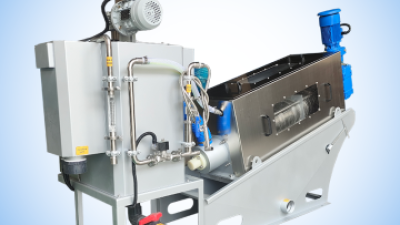
Efficient sludge screw press machines for sale from China suppliers provide a practical solution for modern wastewater treatment facilities. Using continuous screw conveying and pressure dewatering technology, these machines separate water from sludge efficiently while producing a concentrated, easy-to-handle filter cake. Compared with conventional dewatering equipment, the screw press design generally requires less operating space and can support stable performance with reduced energy and maintenance demands.Designed to handle different sludge characteristics, the equipment can be adjusted according to moisture content, treatment capacity, and discharge requirements. Its enclosed structure helps reduce splashing and odors, creating a cleaner working environment for operators. By lowering sludge volume and water content, the machine can also reduce transportation, storage, and disposal expenses. Quality manufacturing from experienced Chinese suppliers allows buyers to select suitable configurations, materials, and automation options for municipal wastewater plants, industrial facilities, food-processing operations, and other applications requiring reliable sludge management.
Conclusion
Choosing the right Screw Press Dewatering machine begins with understanding its purpose: it continuously separates liquid from sludge or other wet materials by conveying and gently compressing them through a rotating screw and a drainage screen. This process can handle many materials, including municipal sludge, industrial wastewater solids, food-processing residues, and certain agricultural by-products, provided their characteristics are properly assessed.To select a suitable model, first estimate the required throughput, solids concentration, operating hours, and desired cake dryness. Capacity should allow for normal fluctuations without causing excessive wear or poor separation. Important technical features include screw speed control, screen design, compression structure, automation, and resistance to corrosion or abrasion. Buyers should also compare installation space, utility requirements, cleaning procedures, spare-part access, labor needs, and long-term energy consumption. A machine with a reasonable initial price may become costly if maintenance is complicated or downtime is frequent, so total operating cost and serviceability should be evaluated together.
About us
JUNTAI is a comprehensive enterprise specializing in the production, sales, and design consultation of advanced water treatment solutions. Our product portfolio includes MBBR fillers, disc diffusers, tube diffusers, dewatering sludge machines, and dosing systems. We offer end-to-end services in areas such as Recirculating Aquaculture Systems (RAS) and wastewater treatment.
Media Contact
Company Name: Hangzhou Juntai Plastic Products Co., Ltd.
Contact Person: Media Relations
Email: Send Email
Country: China
Website: https://www.juntaienviro.com/


